
The markup of a good or service must be enough to offset all business expenses and generate a profit. Markup refers to the difference between the selling price of a good or service and its cost. In other words, it is the premium over the total cost of the good or service that provides the seller with a profit. This means 40% of the selling price is profit, while 60% represents the production cost. Also known as gross margin, it reflects the percentage of revenue that remains after accounting for the cost of the item (i.e., labor and materials). Toggle through the buttons at the top to calculate selling price or cost price instead.
- These concepts can be confusing while deriving pricing and, if not investigated properly, affect your profitability.
- By mastering these calculations, businesses can make informed pricing decisions.
- It might deter customers, and you might struggle to sell anything at all.
- Margin (or gross profit margin) shows the revenue you make after paying COGS.
- You would have to test to find your balance between demand for product and availability of other products.
- TrueProfit is a profit analytics solution that automates tracking by calculating real-time margins and markups at both product and order levels.
- That’s why over 15,000 businesses globally trust us as their inventory management solution.
Example of Margin and Markup
Margin Outsource Invoicing calculation commences with the selling price of a product or service, from which the cost of goods sold (COGS) is subtracted to determine the gross profit in absolute terms. This gross profit figure is then divided by the selling price to yield the margin, expressed as a percentage. This percentage represents the proportion of each sales dollar that is profit. By the end, you’ll understand how to calculate gross margin so you can confidently set prices that cover production costs while providing the profit your business needs to succeed. Regularly evaluating and adjusting pricing strategies to align with industry averages and market trends can help maintain competitive and profitable pricing.
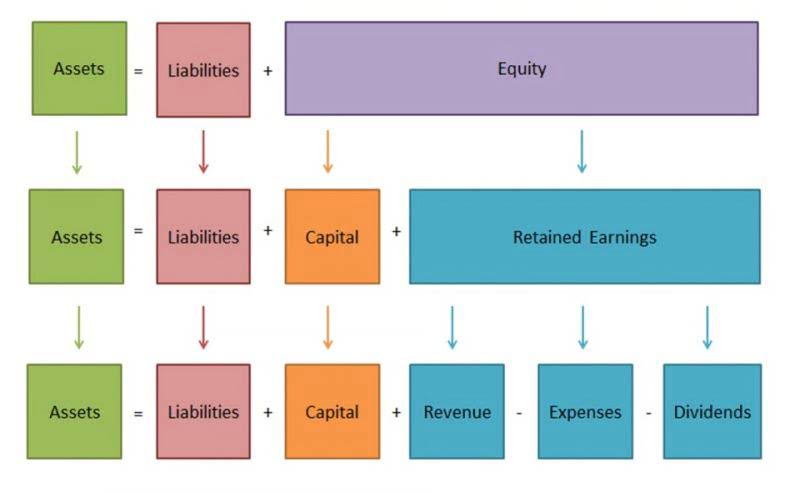
Calculating profit margin as a percentage
Therefore, there is no “normal” markup percentage https://unitrans.in/what-is-horizontal-analysis-of-financial/ that applies to all products, although there may be an average for a particular industry. Learn more about industry analysis in CFI’s Financial Analyst Training Program. Gross margin, gross profit, and operating profit are all business terms that refer to profitability. For example, new businesses often experience lower profit margins than established companies.
Markup vs margin calculator

Each tool is carefully developed and rigorously tested, and our content is well-sourced, but despite our best effort it is possible they contain errors. We are not to be held responsible for any resulting damages from proper or improper use of the service. Let’s delve deeper into these concepts and uncover the secrets of effective pricing. These numbers might sound similar, but they represent two very separate things. And if you confuse the two, you might over or undercharge your customers, make a mistake on important accounting documents, or mess up your revenue forecasting.

As a thumb rule, the markup percentage must always be higher than the margin percentage; else, you are making losses what is the difference between markup and margin in the business. Depending on your specific goals and constraints, you may choose to solve for markup or margin first in your pricing strategy. When it comes to pricing your products or services, a good place to begin is by understanding the difference between margin and markup. Again, these two concepts play a key role in determining how much profit you make. Though markup and margin may seem similar, they lead to different pricing and profitability outcomes.

Markdowns can help businesses clear out excess inventory, drive customer traffic, and boost short-term sales. However, it’s essential to carefully plan and execute markdown strategies to avoid eroding profits and negatively affecting brand perception. You may want to read about the 6 Reasons for Low Profitability and Margins in Businesses. When deciding between markup vs margin strategies, businesses should consider the impact of each approach. Each strategy has its advantages and drawbacks, and the choice between them should depend on the specific needs and goals of the business. In order to calculate the margin, you subtract the cost price from the selling price, divide it by the selling price, and multiply by 100.
Though commonly mistaken for one another, markup and margin are very different. Margin is a figure that shows how much of a product’s revenue you get to keep, while markup shows how much over cost you’ve sold it for. Set your markup price too low, and you’ll barely be making any profit at all. This is why 50% is considered a safe bet—it ensures you are earning enough money to cover the costs of manufacturing while also earning a healthy and steady profit. Let’s look at how markup and margin are calculated to illustrate this key difference. External factors are those the producer has little or perhaps no control over.